
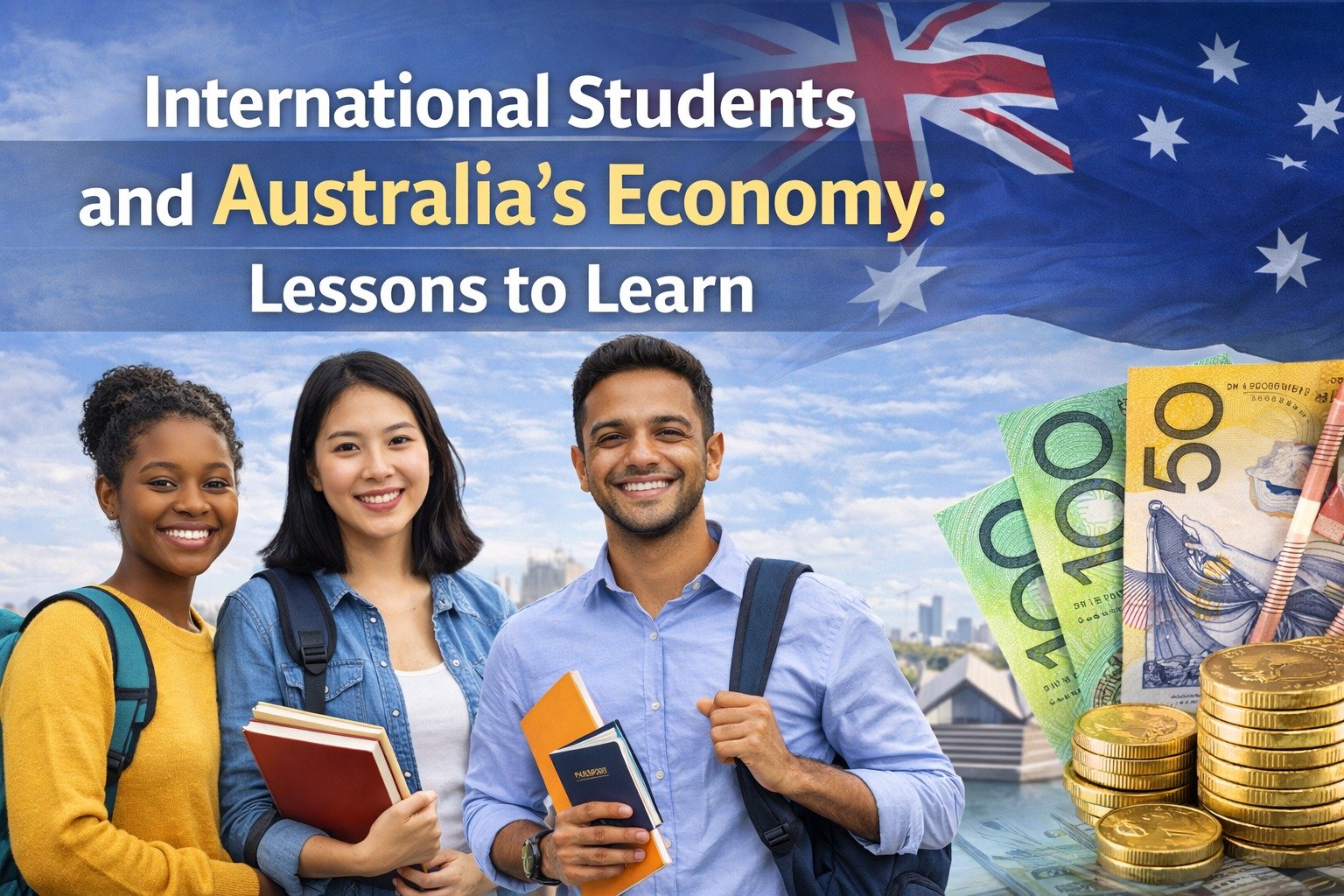
International education has been one of Australia’s most important industries for a long time. Recently, however, Australian media and political discussions have raised new debates about how international students affect the economy, migration system and housing market. Australia’s education sector is currently preparing a public relations campaign to highlight the importance of international students. This initiative comes at a time when migration has become a sensitive political topic with growing public concern about housing shortages and population growth.
According to industry estimates, international education contributes approximately $45 billion annually to the Australian economy. International students support thousands of jobs and businesses through their spending on tuition fees, accommodation, transportation, food and other services. A commonly misunderstood point in the debate is the assumption that most international students remain permanently in Australia. In reality, education sector data suggests that more than 70% of international students return to their home countries after completing their studies. It means the majority stay only temporarily.
Despite these economic benefits, critics argue that large numbers of international students contribute to housing demand and may indirectly increase pressure on rental markets. Some policymakers have also expressed concerns that student visas can sometimes be used as a pathway toward long-term migration. However, in response to these concerns, the Australian government has introduced stricter visa policies, higher visa fees and other regulatory changes to manage migration levels.
Currently, Australia hosts over 800,000 international students with major source countries including China, India, Nepal, Vietnam and the Philippines. However, recent policy changes have led to a decline in new student visa approvals. The debate ultimately revolves around two competing arguments: one highlighting the strong economic and cultural contributions of international students and the other emphasizing the need to carefully manage migration and housing pressures.
In short, Australia remains one of the most popular choices for international students. It offers degrees that are recognized all over the world, good job opportunities after graduation and a safe, multicultural environment where students from many countries feel welcome.